 China Detour
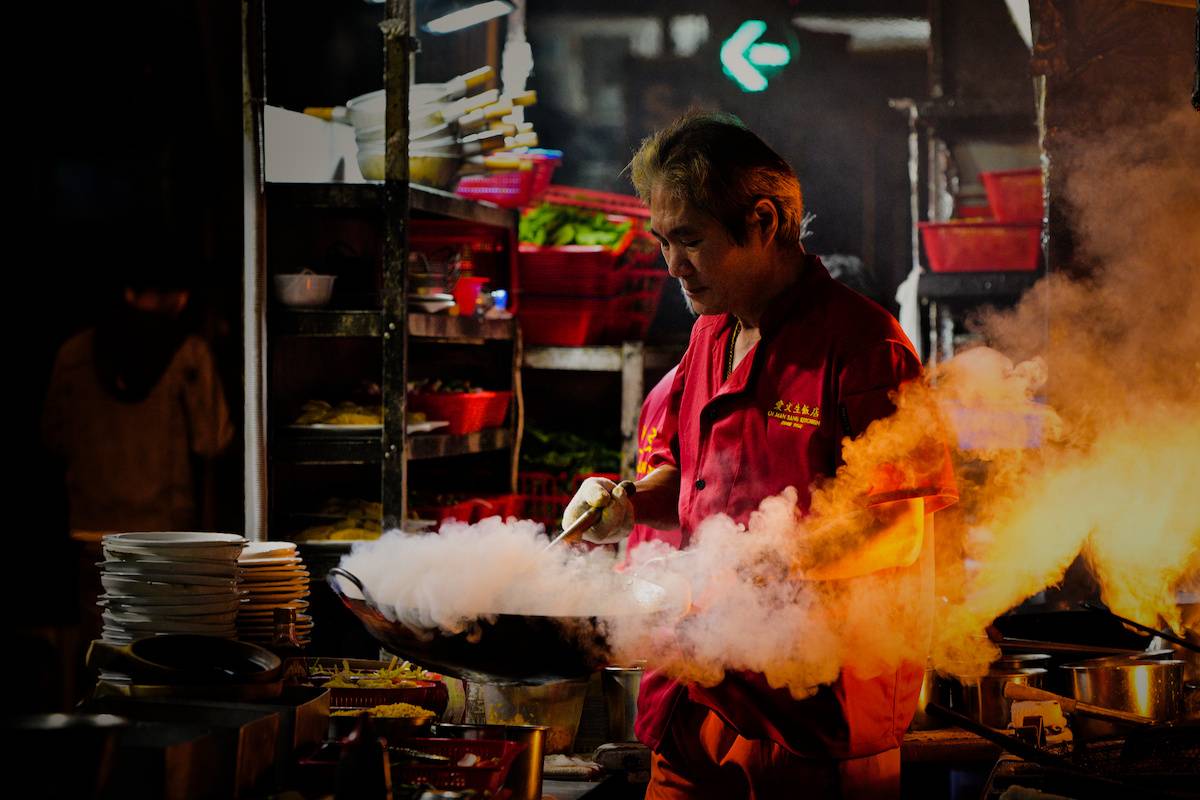
Eating in a Migrant Megacity: Why Chaoshan Beef Hotpot Rules Shenzhen
People sometimes joke that Shenzhen has no native cuisine. Sit down at a neighborhood Chaoshan beef hotpot table at 18:30—watching chefs slice fresh beef to order behind glass—and you realize the opposite is true.
Because more than 80% of Shenzhen’s residents came from elsewhere in China, the city became an extraordinary culinary crossroads—and Chaoshan beef hotpot (brought by migrants from eastern Guangdong’s Chaoshan region) became its unofficial comfort ritual. Instead of heavy chili oil, it relies on a clear beef-bone broth, hand-sliced fresh beef ordered by exact anatomical cut (such as brisket, spoon-meat, and ribeye cap), an 8-second three-dip technique, and house satay sauce. On our 4-stop Delicious Shenzhen walk, food and drinks are paid directly by guests at local menu prices—typically about $17–$31 (¥120–¥220) per person across all 4 stops.
Walk through Futian’s Shuiwei urban village or Luohu’s older streets after sunset and you will hear half a dozen regional dialects before you reach the corner. Hunan stir-fry shops sit beside Sichuan noodle stalls, Cantonese sweet-soup counters, and modern tea labs. Yet when Shenzhen locals want to celebrate a deal, host visiting friends, or decompress after a long week, one table shows up on every neighborhood block: the bright, open-kitchen glass counter of a Chaoshan beef hotpot house.
1. How Chaoshan Migrants Shaped Shenzhen’s Table
From the earliest days of Shenzhen’s rapid growth, migrants from eastern Guangdong’s Chaoshan region (Chaozhou and Shantou) arrived in huge numbers—building trading firms, hardware counters in Huaqiangbei, and neighborhood businesses across Futian and Luohu. They brought with them an obsession with ingredient freshness and precision that matched Shenzhen’s own fast-moving rhythm.
Unlike fiery Sichuan hotpot where spice masks the meat, Chaoshan hotpot strips everything down to two honest variables: how recently the beef was butchered, and how accurately the chef behind the glass counter slices it by hand. Nothing is frozen, and nothing hides under chili oil.
2. Fresh-Cut Anatomy & the 8-Second Three-Dip Ritual
Opening a Chaoshan hotpot menu for the first time can feel like reading a butcher’s diagram in Mandarin—because you do not just order “beef.” You order by exact muscle cut, each with its own texture, fat ratio, and exact boiling time measured in seconds:
- Diaolong (Ribeye Cap / Sirloin): Tender, balanced marbling—dip for about 8 seconds until it just blushes pale pink.
- Chibing (Spoon-Meat / Shoulder): Lean, silky, and delicate—lift it out the moment the color turns.
- Xiongkou Lao (Brisket Fat): Crisp and buttery rather than greasy—this cut needs a longer simmer (a couple of minutes) to reach its signature crunch.
- The Three-Dip Technique: Place a small portion in a mesh ladle, submerge it in the simmering clear broth, lift it to drain, and repeat three times—about 8 seconds total—before dipping into rich house satay (shacha) sauce.
3. The Right Order to Eat—And How It Fits a Shenzhen Food Walk
Locals follow a quiet sequence at the hotpot table so the broth stays clean and fragrant: start with a small bowl of the clear beef-bone broth topped with chopped celery and fried garlic before any meat goes in; cook the leanest, most delicate cuts first, moving gradually to richer marbled cuts and hand-pounded beef balls; and finish with leafy greens or flat rice noodles once the broth has absorbed the meat’s sweetness.
On our Delicious Shenzhen: Migrant City Flavors evening walk (16:00–22:00), Chaoshan beef hotpot is the centerpiece of a four-stop arc that tells the whole city’s story: we begin with heritage Cantonese sweet soups (double-skin milk custard and black sesame paste) in Old Street or Shuiwei, stop by Shenzhen’s new-wave cheese-foam and fruit tea scene without waiting in 2-hour queues, sit down for the 18:30 Chaoshan hotpot ritual, and finish in smoky urban-village night market alleys for stone-ground rice rolls and garlic-roasted oysters.
4. Paying Directly at Local Prices & Navigating Menus
Because every guest has a different appetite, spice tolerance, or dietary preference (including allergies or pescatarian/halal-friendly requests), food and drinks are paid directly by guests on the spot at local menu prices—we never pre-pay or mark up restaurant bills. Across all 4 stops on the walk, guests typically spend about $17–$31 (¥120–¥220) per person.
You also take home our 1-page Shenzhen Mandarin Menu Decoder & Neighborhood Food Map, featuring an illustrated guide to 8 prized Chaoshan beef cuts with exact boiling seconds, bilingual allergy and spice-level cards you can show at any restaurant in China, and 15 local-approved late-night eateries across Futian, Luohu, and Shekou.
Taste Shenzhen’s Migrant Flavors with a Bilingual Foodie Host
Includes your private bilingual host’s 6-hour time (16:00–22:00 evening edition or 10:30–16:30 dim-sum & lunch edition), curated 4-stop route, your Shenzhen Mandarin Menu Decoder & Neighborhood Food Map, and first-hour Alipay/WeChat Pay setup. Food and drinks are paid directly by guests at local menu prices (typically ~$17–$31 / ¥120–¥220 per person). No payment is taken on this site.
Delicious Shenzhen: Migrant City Flavors
Heritage Cantonese sweet soups, Shenzhen’s new-wave tea labs, the 8-second Chaoshan beef hotpot ritual, and urban-village night market alleys. Starting from $420 / group (1–2 guests, +$65 per extra guest).
Your First Hour in Shenzhen: Alipay, eSIMs & Hailing a Driverless Robotaxi
Bind your Visa or Mastercard to Alipay and WeChat Pay so scan-paying at street stalls and tea shops takes seconds.
CITY DISPATCHES · 5 MIN READShenzhen’s Wild Side: Kunpeng Trail & Winter Birding (Nov–Mar)
Work up an appetite on Shenzhen’s subtropical rainforest ridges and Shenzhen Bay coastal bike path before dinner.